SNNBytes XCV Panels: A Complete Guide to the Smart Panel Technology Everyone Is Talking About

Introduction to SNNBytes XCV Panels
SNNBytes XCV Panels have become an interesting search topic for readers who want to understand the next wave of smart panel technology. The phrase is mostly connected with online discussions around advanced solar panels, smart energy systems, and modern display-style panel innovation. SNNBytes itself appears as a tech and knowledge-focused platform, with one listed post titled “Snnbytes XCV Panels: The Smart Power Solution Every Indian Home Needs.”
At its core, the idea behind XCV panels is simple: make panels more efficient, more versatile, and more connected. Traditional panels usually focus on one job, such as generating electricity or displaying images. XCV panels, as described in public tech content, are presented as a broader concept that blends energy efficiency, smart monitoring, durability, and user-friendly performance.
The term “XCV” is often explained in two ways. In solar-related discussions, it is described as “eXtremely Conductive and Versatile.” In display-related discussions, it may also mean “eXtra Clear View.” A previous SNNBytes article described XCV panels as having dual applications in solar energy and display technology, making the keyword slightly broader than a normal solar panel topic.
What Are SNNBytes XCV Panels?
SNNBytes XCV Panels can be understood as a concept around advanced panels designed for better energy use, smarter performance, and wider application. In the solar energy space, they are commonly discussed as next-generation photovoltaic panels that may use improved materials and better power optimization methods. A photovoltaic cell is a device that converts sunlight directly into electricity, which is the basic science behind solar panels.
The expert appeal of XCV panels comes from their promise of higher efficiency. A normal solar setup depends heavily on sunlight exposure, panel quality, inverter performance, and installation angle. XCV-style systems are usually described as improving this process through smarter conversion, monitoring, and energy distribution. That makes them attractive for homes, businesses, and industrial spaces that want cleaner power without wasting valuable roof or land space.
Another reason people search for SNNBytes XCV Panels is curiosity. The term sounds technical, but it is not yet a widely standardized industry category like “monocrystalline solar panel” or “thin-film solar panel.” That means readers should understand it as a developing tech phrase rather than a fixed product name. Still, the ideas connected with it are very real: better materials, smarter controls, cleaner energy, and improved long-term performance.
How SNNBytes XCV Panels Work
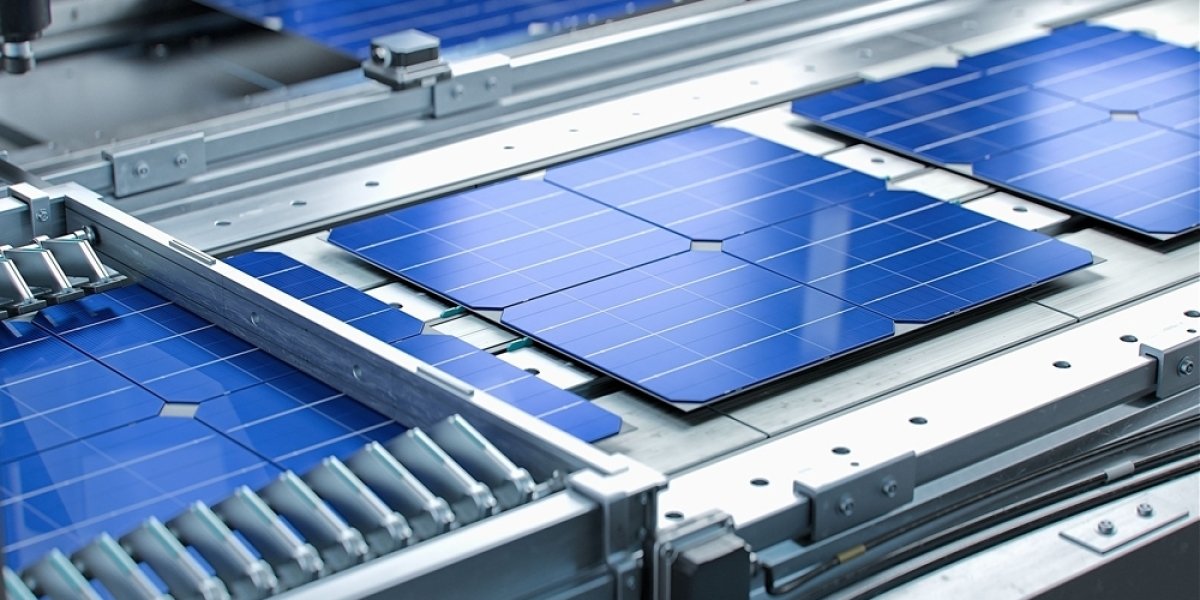
The working principle starts with light absorption. In a solar-focused SNNBytes XCV Panels panel, sunlight hits the panel surface and activates photovoltaic materials inside the cells. These materials produce direct current electricity, which then moves through an inverter and becomes usable alternating current for homes, offices, or commercial equipment.
Where XCV panels become more interesting is in the optimization layer. Some online descriptions connect them with smart energy features such as remote monitoring, real-time usage analytics, fault detection, and intelligent load balancing. These features help users understand how much power they are generating, where energy is being used, and when performance drops.
Think of it like upgrading from a basic mobile phone to a smartphone. A basic solar panel produces energy, but a smart panel system also gives you data, alerts, and control. That extra intelligence can help reduce waste, improve maintenance timing, and support better energy planning. For homeowners, this means fewer surprises. For businesses, it can mean tighter control over operating costs.
Key Benefits of SNNBytes XCV Panels
The first major benefit is efficiency. Better panel design can help capture more usable energy from available sunlight. This matters because space is often limited, especially on rooftops in cities. If a panel system can produce more power from the same area, it becomes more practical for homes, shops, schools, warehouses, and office buildings.
The second benefit is durability. Solar equipment sits outside every day, facing heat, dust, rain, wind, and temperature changes. A strong panel design must handle these conditions without losing performance too quickly. XCV panels are often discussed as being durable and low-maintenance, which is exactly what users want from a long-term energy investment.
The third benefit is smarter control. A modern energy system should not feel like a mystery box on the roof. Users want dashboards, alerts, and clear performance data. With smart monitoring, you can quickly see whether the system is working properly or whether something needs attention. This makes SNNBytes XCV Panels more appealing in today’s connected home and business environment.
Uses of SNNBytes XCV Panels in Homes and Businesses
For homes, SNNBytes XCV Panels can support daily electricity needs such as lighting, fans, appliances, charging devices, and backup systems. In areas where electricity prices are rising or power reliability is a concern, smart solar technology can give families more control. A well-sized system can reduce grid dependence and make energy bills easier to manage.
For businesses, the value is even bigger. Offices, shops, clinics, factories, and warehouses use power throughout the day. A smart panel system can help offset energy demand during peak sunlight hours. Over time, this can reduce operating costs and support a cleaner brand image. Many businesses also care about sustainability goals, and solar energy fits naturally into that strategy.
Industrial users may benefit from energy monitoring and load balancing. Large facilities often have uneven power demand, with some machines or systems consuming more energy at certain times. Smart panel technology can help managers track patterns and plan energy usage more carefully. That kind of visibility is useful when every unit of electricity affects the bottom line.
SNNBytes XCV Panels and Display Technology
The term XCV panels is also linked with display technology in some online explanations. In this context, XCV is described as “eXtra Clear View,” pointing toward panels with better brightness, contrast, and color accuracy. That gives the keyword a second meaning beyond solar energy.
In display systems, clarity matters just as much as power output matters in solar panels. A high-quality panel should show sharp images, balanced colors, and strong visibility in different lighting conditions. This is useful for smart screens, commercial displays, control panels, advertising boards, and advanced user interfaces.
The connection between solar and display technology may seem unusual at first, but both fields depend on material science. Better coatings, improved layers, stronger conductivity, and advanced manufacturing can improve both energy panels and screen panels. That is why SNNBytes XCV Panels can be discussed as a future-facing idea across more than one technology category.
Why SNNBytes XCV Panels Matter for the Future
The world is moving toward smarter energy and smarter devices. People no longer want products that simply “work.” They want products that perform efficiently, connect easily, provide data, and last longer. SNNBytes XCV Panels fit into this trend because the concept combines clean energy thinking with digital intelligence.
For solar users, the future is not just about installing panels. It is about managing energy like a smart resource. That includes knowing when to use power, when to store it, when to reduce waste, and when maintenance is needed. Smart panel systems can make this easier for normal users who do not want to become energy engineers.
For the technology market, the keyword also shows how fast people are searching for new terms. Sometimes a phrase becomes popular before the product category becomes fully clear. That is why writers, businesses, and readers should explain SNNBytes XCV Panels carefully. The best approach is to present them as an advanced smart panel concept connected with solar efficiency, monitoring, durability, and display clarity.
Things to Consider Before Choosing XCV-Style Panels
Before investing in any advanced panel system, users should check real specifications. Marketing terms can sound impressive, but performance depends on actual numbers. Look at wattage, efficiency rating, warranty, degradation rate, inverter compatibility, installation requirements, and after-sales support. These details matter more than fancy wording.
Installation quality is also critical. Even the best panel will perform poorly if it is placed at the wrong angle, shaded by nearby buildings, or connected with weak wiring. A professional installer should inspect the roof, calculate energy demand, check sunlight exposure, and design the system properly. Good planning can make a major difference in real-world output.
Cost should be viewed as a long-term decision. A cheaper system may save money upfront, but it can cost more later through repairs, lower output, or limited support. A smarter and more durable system may have a higher starting price, yet it can deliver stronger value over time. The goal is not just to buy panels. The goal is to buy reliable performance.
Conclusion
SNNBytes XCV Panels represent an exciting technology idea built around smarter, more efficient, and more versatile panel systems. In solar energy, they point toward better power generation, intelligent monitoring, and improved long-term value. In display technology, they suggest clearer visuals, stronger performance, and advanced material design.
The keyword is still broad, so readers should not treat it like a single fixed product category. Instead, it is better understood as a modern concept connected with next-generation panels. That makes it useful for homeowners, business owners, tech readers, and content creators who want to understand where panel technology may be heading.
Also Read: Facebook Growth Guide