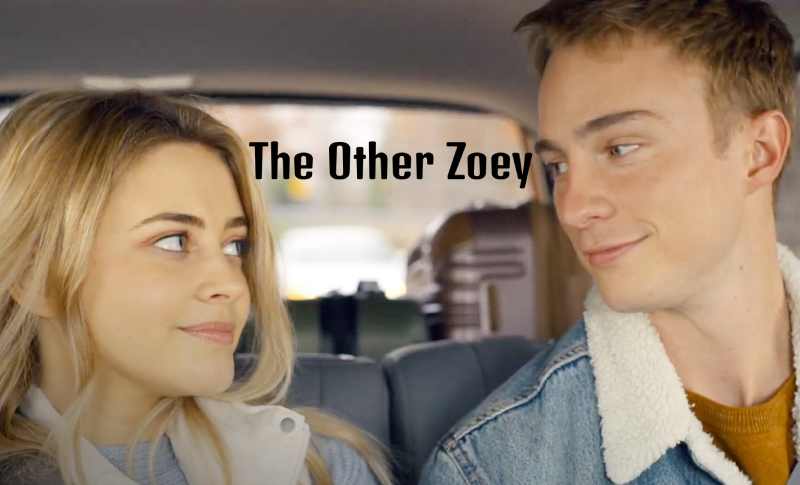
Romantic comedies often follow a predictable path—two people meet, conflict arises, emotions take over, and love wins in the end. While that formula has worked for decades, modern audiences are increasingly looking for something that feels a little more grounded, a little more thoughtful. This is where The Other Zoey stands out. It doesn’t completely abandon the classic rom-com structure, but it reshapes it through a more intellectual lens.
At its core, the film explores the idea that love isn’t always something you can calculate. The protagonist, Zoey Miller, approaches life with logic and precision, treating emotions like variables in an equation. This makes her journey into the unpredictable world of romance all the more compelling. Instead of rushing into clichés, the movie takes its time to examine how someone who distrusts love learns to embrace it.
Plot Overview: A Mistaken Identity That Changes Everything
The story begins with Zoey Miller, a college student who prides herself on her analytical mindset. She avoids romantic entanglements, believing that love is irrational and often leads to disappointment. Her life is structured, predictable, and comfortable—until an unexpected event disrupts everything.
When Zach, a popular and well-liked student, suffers an accident that leaves him with temporary memory loss, he confuses Zoey for his girlfriend—who happens to share the same name. Instead of correcting him immediately, Zoey hesitates. This moment of indecision becomes the turning point of the story, setting off a chain of events that she can no longer fully control.
As Zoey steps into this mistaken identity, she finds herself drawn into Zach’s life, his family, and most importantly, his cousin Miles. Unlike Zach, Miles shares Zoey’s intellectual curiosity and skepticism about life. This creates a subtle yet powerful contrast between the two male leads, turning the narrative into more than just a simple romantic misunderstanding. It becomes a thoughtful exploration of compatibility, attraction, and emotional growth.
Character Study: Zoey Miller and Her Logical World
Zoey Miller is not your typical rom-com protagonist. She is intelligent, reserved, and deeply skeptical of emotional vulnerability. Her worldview is shaped by the belief that everything can—and should—be understood through logic. This makes her both relatable and intriguing, especially for viewers who value rational thinking over emotional impulse.
Her reluctance to engage in romance isn’t rooted in bitterness but in caution. She sees love as unpredictable and potentially disruptive, something that could throw her carefully constructed life off balance. This perspective gives her character depth, making her journey feel authentic rather than forced.
As the story progresses, Zoey’s internal conflict becomes more pronounced. She begins to realize that not everything can be quantified or controlled. Her experiences challenge her assumptions, forcing her to reconsider what she believes about love, relationships, and herself. This transformation is gradual and believable, which is one of the film’s strongest aspects.
The Love Triangle: More Than Just a Romantic Device
Love triangles are a common trope in romantic storytelling, but in The Other Zoey, it serves a more meaningful purpose. Instead of simply creating drama, the triangle highlights different aspects of Zoey’s personality and emotional needs.
Zach represents warmth, spontaneity, and emotional openness. He embodies the kind of love that is easy and comforting, even if it lacks depth in certain areas. His connection with Zoey is built on circumstance rather than compatibility, yet it still carries genuine emotion.
Miles, on the other hand, reflects Zoey’s intellectual side. He challenges her thinking, engages her curiosity, and understands her on a deeper level. Their connection feels more organic, rooted in shared values and mutual respect. This contrast forces Zoey to confront what she truly wants—not just what is convenient or expected.
The film uses this dynamic to explore the idea that love isn’t one-size-fits-all. It asks whether emotional comfort is more important than intellectual compatibility, or if the ideal relationship lies somewhere in between. This layered approach elevates the narrative beyond a simple romantic conflict.
Themes and Messages: Logic vs Emotion
One of the central themes of The Other Zoey is the tension between logic and emotion. Zoey’s journey is essentially about learning to reconcile these two aspects of her personality. She starts the story firmly rooted in logic, dismissing emotions as unreliable and unnecessary.
However, as she navigates her new reality, she begins to understand that emotions are not weaknesses but essential components of human connection. The film doesn’t suggest that logic is unimportant—instead, it emphasizes the need for balance. This nuanced perspective makes the story more relatable and thought-provoking.
Another important theme is identity. By stepping into someone else’s role, Zoey is forced to confront her own sense of self. She questions who she is, what she wants, and how she wants to be perceived. This introspection adds depth to the narrative, turning what could have been a simple romantic comedy into a story about personal growth.
Performances: Bringing the Story to Life
The performances in The Other Zoey play a crucial role in making the story believable. Josephine Langford delivers a nuanced portrayal of Zoey Miller, capturing both her intellectual confidence and emotional vulnerability. Her performance anchors the film, making Zoey’s transformation feel genuine.
Drew Starkey brings charm and warmth to the character of Zach. His portrayal ensures that Zach is more than just a plot device—he feels like a real person with his own emotions and struggles. This adds complexity to the love triangle, making it harder for the audience to choose sides.
Archie Renaux, as Miles, provides a grounded and thoughtful counterbalance. His chemistry with Langford is subtle yet compelling, driven by shared understanding rather than overt romantic gestures. Together, the cast creates a dynamic that feels natural and engaging.
Direction and Style: A Modern Romantic Tone
Directed by Sara Zandieh, the film adopts a style that feels contemporary without losing the essence of classic romantic storytelling. The pacing is steady, allowing characters and relationships to develop organically rather than rushing toward a conclusion.
Visually, the film embraces a clean and approachable aesthetic, reflecting the academic setting and the structured nature of Zoey’s life. As the story progresses, subtle changes in tone and atmosphere mirror her emotional journey, creating a cohesive viewing experience.
The dialogue is another standout element. It strikes a balance between wit and sincerity, offering moments of humor without undermining the emotional weight of the story. This thoughtful approach to storytelling is what sets the film apart from more formulaic entries in the genre.
Reception and Audience Response
Upon its release, The Other Zoey received mixed but generally positive feedback. Many viewers appreciated its fresh take on the rom-com genre, particularly its focus on intellectual compatibility and emotional growth. It resonated with audiences who were looking for something more than just surface-level romance.
Critics noted that while the film follows some familiar tropes, it manages to add depth through its characters and themes. The performances, especially by Josephine Langford, were widely praised for bringing authenticity to the story.
At the same time, some viewers felt that the plot could have taken more risks. The film stays within the boundaries of its genre, which may limit its appeal for those seeking something more unconventional. However, for fans of character-driven storytelling, it offers a satisfying and meaningful experience.
Why The Other Zoey Stands Out
What truly sets The Other Zoey apart is its willingness to engage with ideas that are often overlooked in romantic comedies. It doesn’t just ask who the protagonist will end up with—it asks why that choice matters. It explores the emotional and intellectual dimensions of relationships, offering a more holistic view of love.
The film also challenges the notion that romance has to be impulsive and dramatic. Instead, it presents love as something that can be thoughtful, deliberate, and even analytical. This perspective is refreshing, especially in a genre that often prioritizes emotion over reason.
Ultimately, the film’s strength lies in its characters. Their journeys feel real, their conflicts are relatable, and their growth is believable. This emotional authenticity is what makes the story resonate long after the credits roll.
Conclusion
The Other Zoey is a romantic comedy that dares to think differently. It combines humor, charm, and emotional depth to create a story that feels both familiar and fresh. By exploring the balance between logic and emotion, it offers a nuanced perspective on love that resonates with modern audiences.
While it may not reinvent the genre entirely, it elevates it in meaningful ways. Through strong performances, thoughtful storytelling, and relatable themes, the film delivers an experience that is both entertaining and introspective. For anyone looking for a rom-com that goes beyond the surface, The Other Zoey is well worth watching.
Also Read: Luke Macfarlane