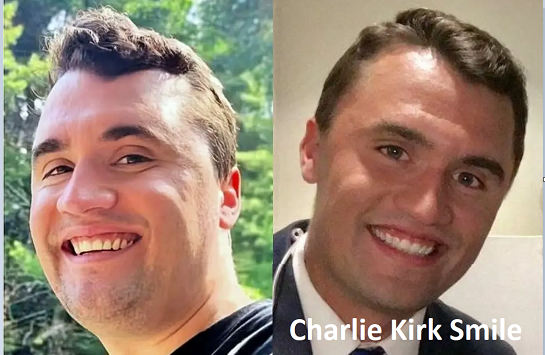
Charlie Kirk Smile is a keyword that may sound simple at first, but it points to something bigger than just a facial expression. In public life, small visual details often become part of how people remember a political figure, media personality, or online commentator. A smile, a hand gesture, a speaking style, or even a pause during a debate can become a recognizable part of someone’s public identity.
Charlie Kirk was widely known as a conservative activist, political commentator, and founder of Turning Point USA, a youth-focused conservative organization connected with free markets and limited government messaging. Turning Point USA’s own founder page describes him as the organization’s founder and president, while Britannica identifies him as a major conservative activist and Trump ally.
When people search for “Charlie Kirk Smile,” they are usually not only asking about his appearance. They are often trying to understand why his smile became a noticeable part of his public image, why online users discussed it, and how visual branding works in modern politics. In today’s internet culture, a single expression can turn into a meme, a talking point, or a symbol attached to someone’s broader personality.
Why the Charlie Kirk Smile Became Noticeable
Charlie Kirk Smile spent much of his career in front of cameras, microphones, college audiences, and online viewers. That constant public exposure made his facial expressions more visible than those of many traditional political organizers. Every debate clip, podcast appearance, interview, and social media post gave viewers another chance to notice his tone, body language, and expressions.
His smile stood out partly because it appeared in high-energy settings. Kirk often spoke in debate-style environments where confidence, quick responses, and strong reactions mattered. In those moments, a smile can communicate control, amusement, challenge, or certainty, depending on how the audience interprets it. That is why viewers may read more meaning into a public figure’s smile than the person actually intends.
Another reason the Charlie Kirk Smile became a topic is the way social media works. Platforms like TikTok, X, YouTube Shorts, and Instagram Reels often reduce public figures into short visual moments. A few seconds of a reaction can travel much farther than a full speech. Once users begin reposting or remixing a certain expression, it becomes part of the person’s online identity.
The Role of Facial Expressions in Political Branding
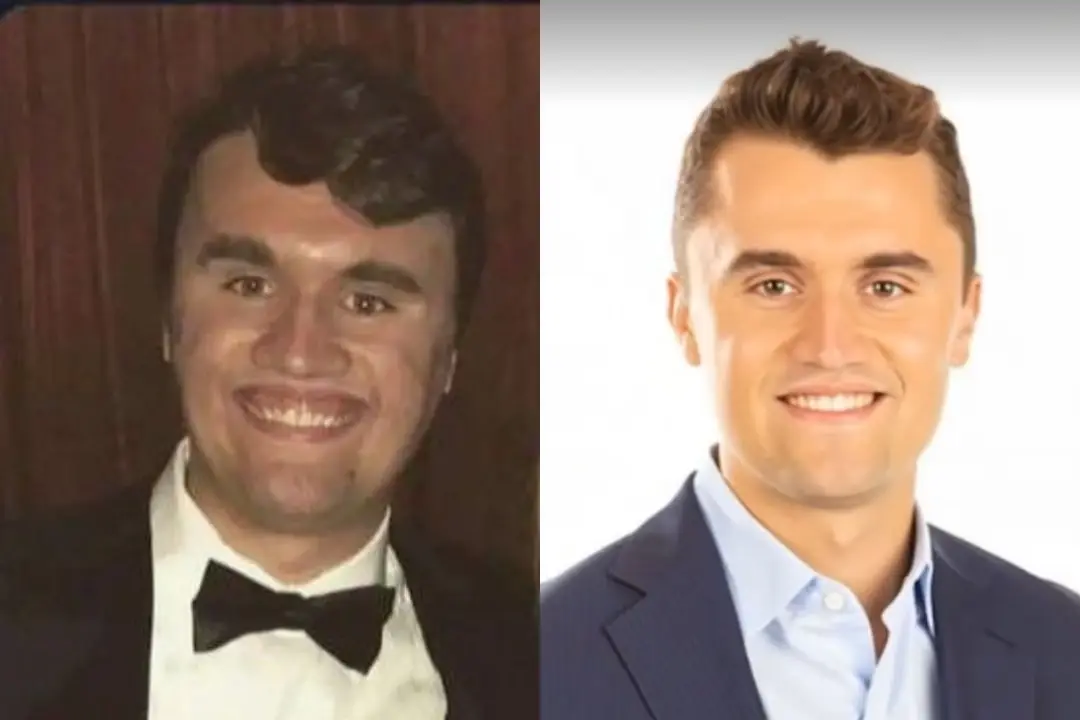
In Charlie Kirk Smile and commentary, appearance is not everything, but it does matter. Public speakers are judged not only by what they say but also by how they look while saying it. A smile can soften a strong argument, make a speaker seem more approachable, or create a sense of confidence in front of an audience.
Charlie Kirk built much of his public presence around direct engagement with young conservatives, campus debates, and media commentary. Turning Point USA describes its mission around organizing and empowering young people to promote free markets and limited government, and Kirk became closely associated with that youth-focused conservative brand.
Because of that, his smile was often seen in moments of debate and performance. To supporters, it could look confident, energetic, or charismatic. To critics, it could appear smug, forced, or overly polished. That difference says more about political perception than about the smile itself. People often interpret the same expression differently based on whether they already agree or disagree with the person.
Why the Internet Turns Smiles Into Memes
The internet loves recognizable expressions because they are easy to reuse. A smile can become a reaction image, a joke format, or a shortcut for a larger opinion. When a public figure is already polarizing, even a normal facial expression can become exaggerated through memes and repeated captions.
With Charlie Kirk, his smile became part of wider online conversations about his debate style, confidence, and public persona. Some users discussed it casually, while others used it in a critical or humorous way. This is common for political personalities because online audiences often turn visual details into symbols of approval, dislike, or satire.
However, it is important to separate public-image analysis from personal mockery. Discussing why a smile became recognizable is fair when someone is a major public commentator. But making unsupported claims about dental work, medical issues, or personal appearance goes beyond useful analysis. There is no need to invent private details to understand why the phrase “Charlie Kirk Smile” gained attention online.
Supporters and Critics Saw the Smile Differently
Supporters of Charlie Kirk often viewed his smile as part of his confidence. In debate settings, a smile can suggest that a speaker feels prepared, comfortable, and in control. For audiences who liked his message, that expression may have strengthened the impression that he was calm under pressure.
Critics often read the same expression in a completely different way. In political media, opponents frequently interpret confidence as arrogance. A smile during a heated exchange can be seen as dismissive, even when it is simply part of a speaker’s natural communication style. That split reaction helped keep the Charlie Kirk Smile keyword active in online searches and discussions.
This is a common pattern with public figures. Once a person becomes closely tied to a political movement, their body language becomes part of the debate around them. People stop seeing only a smile and start seeing a symbol of the person’s politics, personality, and public role. That is why a simple facial expression can become much bigger than it actually is.
The Difference Between Public Image and Private Reality
One thing Charlie Kirk Smile remembering is that public image is not the same as private reality. Viewers only see selected moments: a debate clip, a podcast thumbnail, a stage photo, or a viral screenshot. These fragments do not fully explain a person’s personality, emotions, or personal life.
Charlie Kirk’s public role was built through activism, media appearances, and political organizing. Britannica describes him as a conservative activist and founder of Turning Point USA, and notes his importance within youth conservative politics. That public role naturally made his appearance and expressions more open to commentary than those of a private individual.
Still, responsible writing should avoid turning appearance into the whole story. The Charlie Kirk Smile became searchable because of visibility, repetition, and online culture. But it should be understood as one small part of a larger public image, not as a complete explanation of who he was or what he represented.
Why “Charlie Kirk Smile” Became an SEO Keyword
From an SEO perspective, “Charlie Kirk Smile” works because it combines a known public name with a specific visual detail. Searchers are often curious about viral moments, memes, reactions, and public appearances. This kind of keyword usually grows when social media users repeatedly mention the same phrase.
It also fits a broader pattern in celebrity and political search behavior. People do not only search for biographies or career timelines anymore. They search for small details: smiles, hairstyles, speeches, interviews, gestures, and viral screenshots. These details feel more personal and easier to recognize than long political profiles.
For writers and publishers, the best way to cover this keyword is with context. Instead of exaggerating or making personal attacks, a strong article explains why the phrase exists, how public perception works, and what role online culture played. That makes the content more useful, more respectful, and more trustworthy.
Final Thoughts on the Charlie Kirk Smile
The Charlie Kirk Smile became a topic because modern public figures are watched in extreme detail. Every expression can be clipped, shared, judged, and turned into a conversation. In Kirk’s case, his smile became connected to his debate style, confidence, media presence, and polarizing role in American conservative politics.
The meaning of that smile depends heavily on the viewer. Supporters may see confidence and energy. Critics may see arrogance or performance. Neutral observers may simply see how internet culture transforms small visual details into lasting public symbols.
YOU MAY ALSO READ